The future of cruising is not about more. It is about better
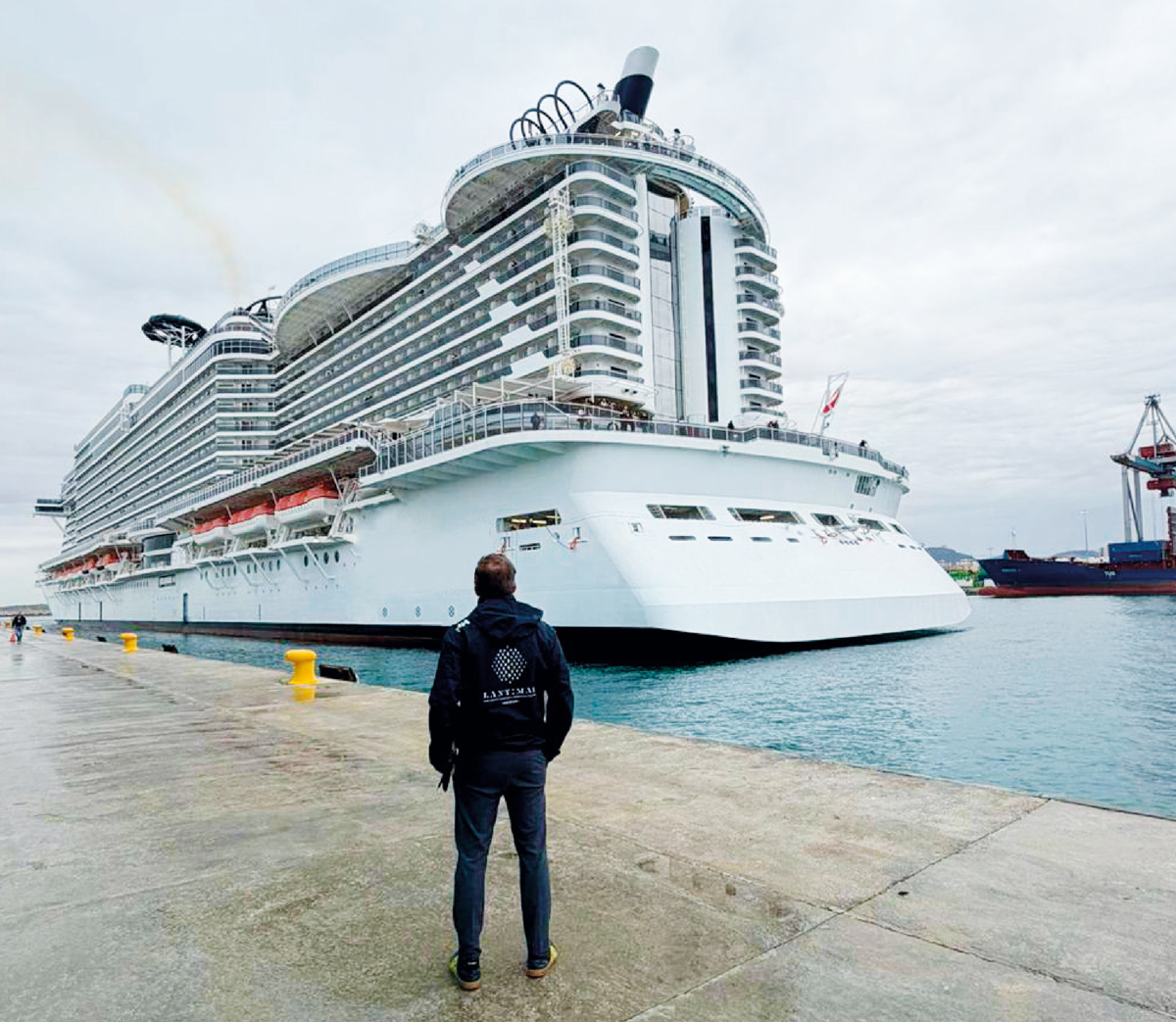
For many years, growth in the cruise industry was relatively easy to measure: more ships, more passengers, more destinations and more port calls. But perhaps the next chapter of our industry should be measured differently. The question is no longer simply how many cruise ships a destination can receive. The more important question is how well we can manage them.
Cruising has evolved enormously. Ships are larger, operations are more complex, guests are more demanding and destinations are increasingly conscious of the impact, both positive and negative, that tourism can have on their communities. This means that the relationship between cruise lines, ports and destinations must evolve too.
A successful port call begins long before a vessel reaches the pilot station. It requires planning, information, coordination and, increasingly, anticipation. Port authorities, local administrations, agents, transport providers, suppliers and destinations all form part of the same operation. When those pieces work independently, complexity increases. When they work together, something very different happens: the port call becomes part of the destination rather than simply an operation taking place within it.
This is particularly relevant in Mediterranean destinations, where cruise activity often coexists with residents, traditional tourism and other port uses within a limited geographical space.
The answer cannot simply be unlimited growth. But neither should it be to stop evolving.
The opportunity lies in growing better. Better planning of arrivals. Better management of passenger flows. Better communication with local communities. Better use of technology and data. Better coordination between ship and shore. And, above all, a better understanding of what each destination can sustainably accommodate.
There is also an important opportunity to rethink how we measure the value of cruising. Passenger numbers matter, but so do local expenditure, employment, supply chains, provisioning, transport, cultural experiences, and the many businesses that participate in every call. The conversation therefore needs to move from volume to value.
After more than three decades working alongside vessels, ports and destinations, one thing has become very clear to me: maritime operations work best when people talk to each other before problems appear. Perhaps the same principle applies to the future of cruising.
We do not necessarily need to choose between growth and sustainability, between ships and cities, or between tourism and residents, but we do need to keep listening, adapting and finding better ways to make them coexist. The future of cruising will not be defined only by how much we grow, but by how well we manage that growth. And that may be the most exciting challenge ahead.
Website: https://www.lantimar.com