Le Havre: a cruise destination ready for the next chapter
What does a successful cruise destination look like today?
Is it simply a port capable of welcoming the largest ships? A city offering memorable experiences? A gateway to iconic destinations? Or increasingly, a place that can combine all of these while responding to the environmental and social expectations of a changing industry?
At Le Havre Croisières, we believe the answer lies in bringing these dimensions together.
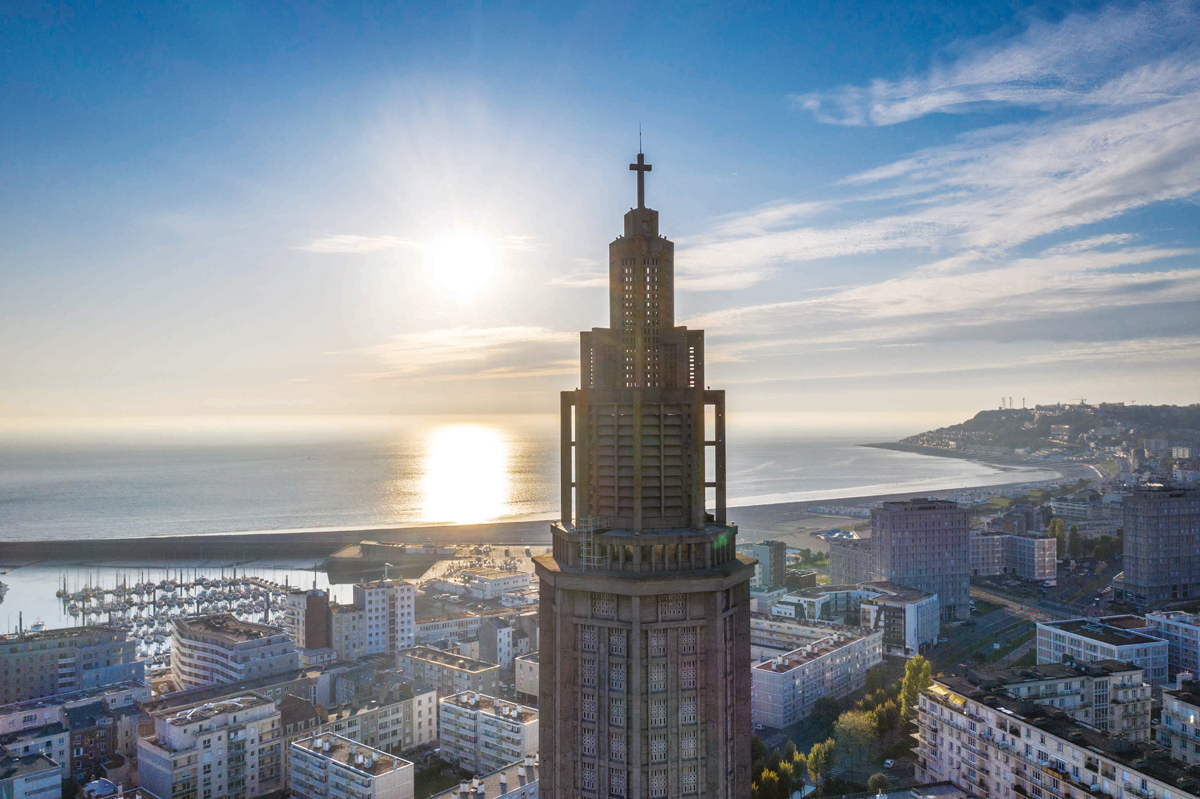
Located on the English Channel at the gateway to the Seine and Paris region, Le Havre has long been an important maritime gateway to France. But the destination offers much more than access to Paris. A UNESCO World Heritage Site since 2005 and the birthplace of Impressionism, Le Havre has developed a distinctive identity that gives cruise passengers the opportunity to discover a city with a unique architectural and cultural heritage, as well as the wider attractions of Normandy.
Today, the destination is entering a new chapter.
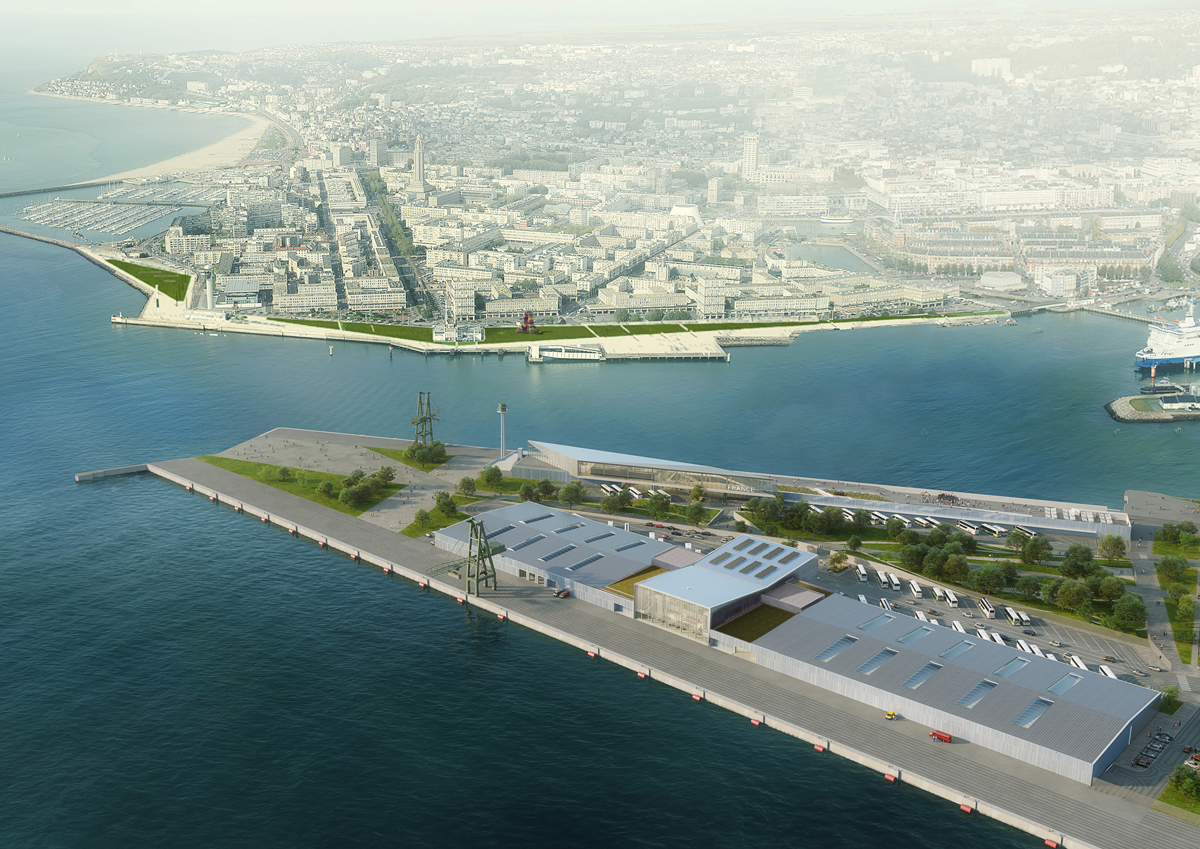
The opening of the new Le Havre Verrazzano Cruise Terminal facility, operated by Le Havre Croisières, marks a significant step in the development of cruise infrastructure. With three modern terminals designed to improve operational flexibility and passenger experience, the project strengthens Le Havre’s ability to accommodate different types of cruise operations, from transit calls to turnaround activity and simultaneous ship calls.
But infrastructure alone does not define the future of cruising.
The new facilities also reflect a wider ambition to make cruise activity increasingly compatible with the environmental transition of the maritime sector. Shore power is already operational at one of the new terminals and is being extended by HAROPA Port across the facility, while the new infrastructure incorporates photovoltaic installations and other environmental features.
For Le Havre Croisières, sustainability is therefore not a separate chapter from cruise development. It is part of the same story.
The same applies to the relationship between cruise and destination. A cruise call should not simply be measured by the number of passengers passing through a terminal. Its value is also found in the experiences created ashore, the connections with local businesses and attractions, and the opportunity to introduce visitors to a destination they may choose to return to.
This is particularly relevant for Le Havre, where the port, the city and the wider Normandy and Paris regions form a naturally connected cruise proposition.
As the industry comes together in Madrid for the International Cruise Summit 2026, these are the conversations that matter: how can destinations continue to welcome cruise guests while investing in better infrastructure, reducing environmental impact and creating meaningful value for their communities?
There is no single answer.
But there is a clear direction.
The next generation of cruise destinations will be those that can combine operational performance with authentic experiences, innovation with responsibility, and growth with long-term value.At Le Havre Croisières, we are working towards that future — with the capacity, flexibility and ambition to welcome cruise growth while creating lasting value for the destination.
Website GIP Le Havre Croisières: https://www.lehavrecroisieres.com