Suncruise: Innovation Cannot Happen in Isolation
The cruise industry is navigating one of the most transformative periods in its history. Decarbonisation, digitalisation, competitiveness, security and the emergence of new traveller expectations are reshaping the way ports, destinations and companies operate. These challenges are complex, interconnected and global. No single organisation, however large or experienced, can solve them alone.
Innovation is often associated with technology, but technology is only part of the equation. Meaningful innovation begins when different perspectives, capabilities and areas of expertise come together around a shared challenge. Ports understand their infrastructures and operational realities; cruise lines bring a global view of passengers and markets; public administrations provide the regulatory and territorial framework; technology companies offer specialised capabilities; and startups and research groups introduce agility, experimentation and new ways of thinking.
The ability to connect these actors is therefore becoming a strategic capability in itself.
Collaboration allows the sector to move beyond isolated initiatives and develop solutions that can be tested in real environments, refined with the people who will use them and potentially scaled across different ports and destinations. It also reduces the distance between an innovative idea and its practical application—one of the most persistent barriers to transformation.
Open innovation provides a particularly valuable framework for this process. Instead of attempting to generate every solution internally, organisations can clearly define their needs and invite external talent to address them. The result is not simply a supplier relationship, but a process of co-creation in which industry knowledge and technological expertise evolve together.
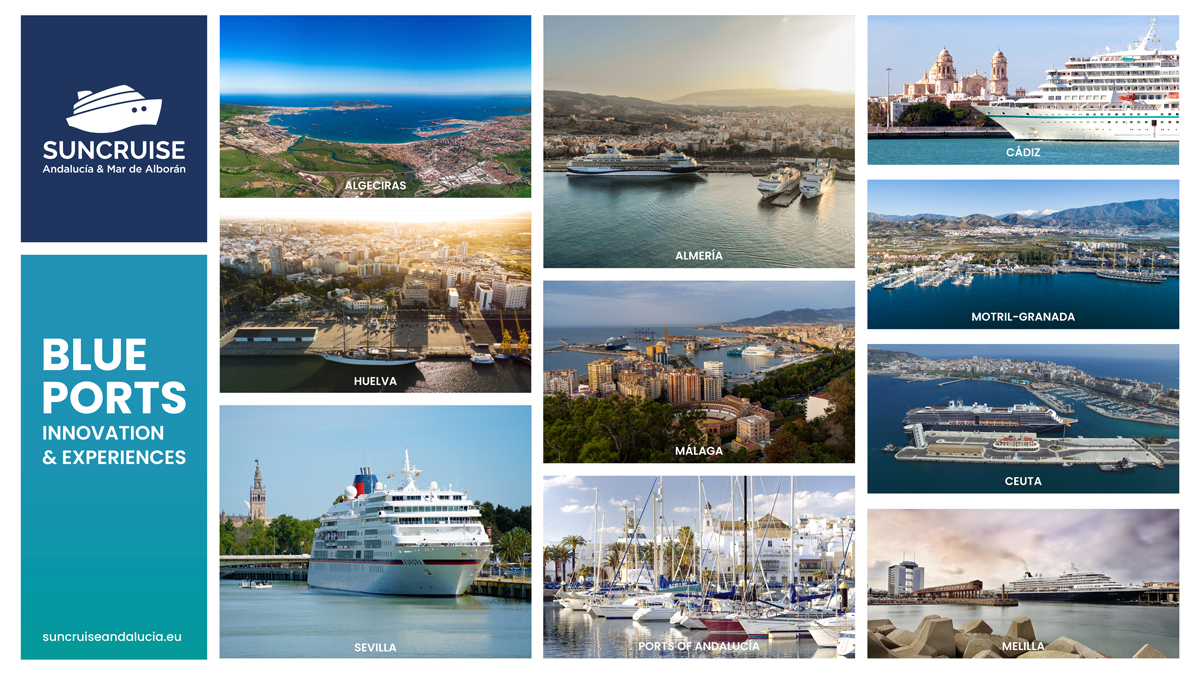
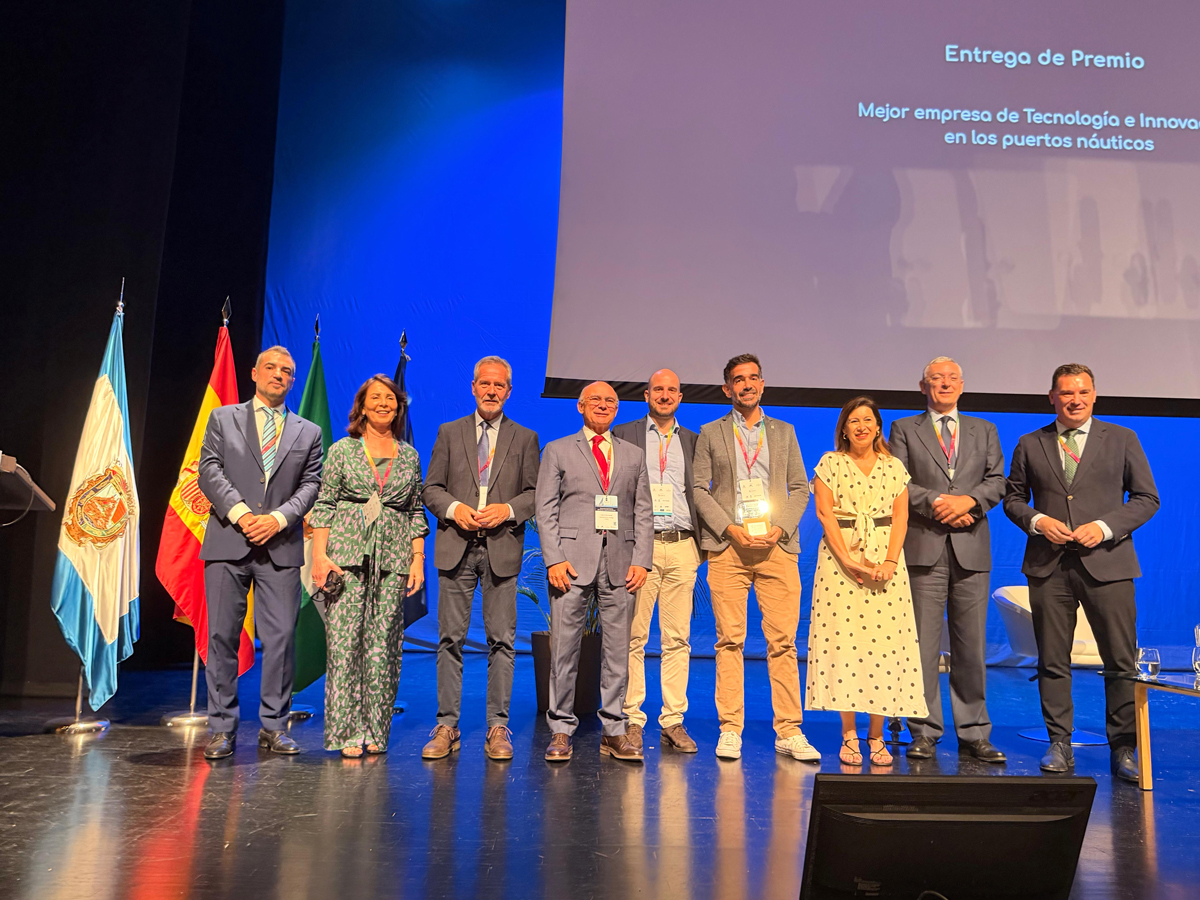
This is the philosophy behind the Suncruise Open Innovation Challenge Prize, now in its fifth edition. The programme connects startups, technology companies and established research groups with real challenges identified by organisations within Andalusia’s maritime and port ecosystem. Selected teams work directly with participating entities to adapt their proposals, assess their viability and explore the development of proofs of concept or pilot projects.
The 2026 edition illustrates the range of areas in which this collaborative approach can generate value. One challenge, proposed by the Public Ports Agency of Andalusia, seeks a secure and scalable digital identity model for national and international users of port services. The second, promoted by the Port Authority of Almería, explores new technological ways of connecting the port with citizens and visitors, making its activity, heritage and economic, social and environmental contribution easier to understand.
Although the challenges are different, both share the same principle: innovation becomes more relevant when it responds to a clearly identified need and is developed alongside the organisations and communities it is intended to serve.
For the cruise and maritime industries, collaboration should not be viewed as an occasional initiative, but as essential infrastructure for transformation. The future will depend not only on generating more ideas, but on building ecosystems capable of identifying the right challenges, connecting the right partners and turning promising solutions into measurable impact.
Innovation cannot happen in isolation. It happens when an entire ecosystem moves forward together
Website: https://suncruiseandalucia.eu/